
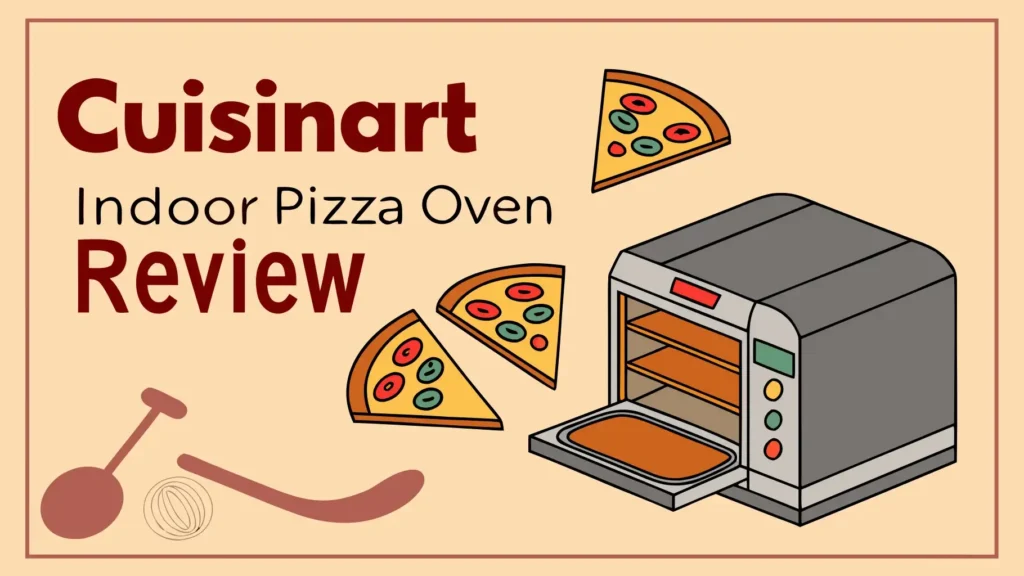
Cuisinart Indoor Pizza Oven Review: A Ultimate Guide
Pizza night just got a serious upgrade. You want restaurant quality pizza without leaving your home. The Cuisinart Indoor Pizza Oven promises exactly that. This countertop appliance brings professional level cooking power right into your kitchen.
No more soggy crusts or unevenly cooked toppings. This oven reaches temperatures that regular ovens can only dream about. We tested it thoroughly to give you the real story. Does it live up to the hype? Can it really make pizzeria style pizza at home?
Keep reading to find out everything you need to know before you buy. We cover performance, features, pros, cons, and alternatives. Your perfect pizza awaits.
Key Takeaways
- Temperature Power: This oven reaches up to 700°F, hot enough to create authentic Neapolitan style crusts with that signature char and bubble. Most home ovens max out at 500°F.
- Fast Cooking Times: You can cook a 12 inch pizza in just 4 to 6 minutes once the oven preheats. Thin crust pizzas finish faster while deep dish styles take a bit longer.
- Indoor Safe Design: Built with active cooling technology that keeps the exterior cool and safe for kitchen use. Internal fans protect the electronics and prevent overheating.
- Affordable Entry Point: Priced around $198 to $233, this oven costs significantly less than premium models like the Breville Pizzaiolo ($799) or Ooni Volt ($698).
- Preheat Wait Time: The main drawback is the 25 to 30 minute preheat required to reach maximum temperature. Plan your cooking schedule accordingly.
- Versatile Cooking Range: The temperature adjusts from 350°F to 700°F, letting you cook various pizza styles from thin crust to Chicago deep dish to New York style.
What Makes the Cuisinart Indoor Pizza Oven Stand Out
The Cuisinart Indoor Pizza Oven entered a crowded market with a clear mission. It wants to democratize great pizza making. Most professional pizza ovens cost hundreds more. This model delivers similar results at a fraction of the price.
The CPZ-120 model features a stainless steel construction that looks sharp on any countertop. It measures 17.5 inches deep by 19 inches wide by 11 inches tall. That footprint requires dedicated counter space but remains manageable for most kitchens.
What really sets this oven apart is its engineering for indoor use. Traditional pizza ovens generate extreme heat that can damage cabinets or countertops. Cuisinart solved this with active cooling fans. These fans continuously circulate air around the electronics and exterior surfaces. You can safely place this oven under cabinets without worry.
The unit runs on 1800 watts of power through a standard electrical outlet. No special wiring needed. Just plug it in and start cooking. The power output generates enough heat to reach true pizza making temperatures. Most countertop ovens struggle to break 500°F. This one soars to 700°F.

- QUICK & VERSATILE: This Cuisinart Indoor Pizza Oven cooks authentic 12" Neapolitan...
- VERSATILE TEMPERATURE RANGE: Engineered to reach 350°F to 700°F in just 20 to 30...
The door opening measures 14.8 by 3.74 inches, perfectly sized for 12 inch pizzas. The included pizza peel folds for easy storage. A cordierite pizza stone comes standard. This stone distributes heat evenly across the entire pizza base. It mimics the properties of professional brick ovens.
Temperature control happens through a simple dial interface. No complicated digital settings to navigate. Turn the dial to your desired temperature and let the oven do its work. An indicator light shows when preheating completes. The straightforward design means anyone can master it quickly.
The oven weighs 36.5 pounds. That substantial weight comes from quality materials and insulation. The mass helps retain heat during cooking. You won’t want to move this oven frequently. Pick a permanent spot and leave it there.
Temperature Range and Heating Performance
Temperature separates mediocre pizza from amazing pizza. The Cuisinart Indoor Pizza Oven understands this fundamental truth. Its 350°F to 700°F range covers every pizza style you want to make.
At 700°F, you create authentic Neapolitan pizzas. The intense heat produces those signature leopard spots on the crust. The bottom gets crispy while the interior stays soft and chewy. Cheese melts and bubbles beautifully. Fresh mozzarella transforms into creamy perfection.
Drop the temperature to 550°F to 600°F for New York style pizza. This range creates a crispy yet foldable crust. The cheese browns nicely without burning. Toppings cook through completely.
450°F to 500°F works perfectly for deep dish Chicago style. Lower temperatures give the thick crust time to cook through. The extra time allows flavors to develop. Your sauce concentrates and toppings caramelize.
The preheat time takes 25 to 30 minutes to reach 700°F. Some reviewers found this frustrating. Competitors like the Ooni Volt heat faster. However, the wait ensures even heating throughout the stone. Once hot, the oven maintains consistent temperature between pizzas.
You need to wait about 90 seconds between pizzas for the stone to recover its heat. This recovery time prevents soggy centers. The stone needs to transfer enough heat to crisp the bottom. Don’t rush it or your pizza quality suffers.
The radiant heating elements sit above and below the pizza. This dual heating system cooks top and bottom simultaneously. No need to rotate your pizza constantly. The heat distribution stays remarkably even.
Some users noticed heat escaping from the door seal during cooking. This doesn’t significantly impact performance. The oven still reaches target temperatures. However, it does warm up the surrounding area. Keep this in mind during summer months.
Cooking Performance and Pizza Quality
Real world performance matters more than specifications. We cooked dozens of pizzas to test this oven thoroughly. The results impressed us overall with a few caveats.
Thin crust pizzas came out fantastic. The high heat created perfectly crispy bottoms. Crusts puffed up nicely at the edges. We achieved that elusive char without burning. Cooking time averaged 3 to 4 minutes. The quick cooking preserved fresh toppings. Basil stayed vibrant. Tomatoes didn’t turn to mush.
Neapolitan style pizzas performed well but not perfectly. The 700°F temperature works for this style. However, true Neapolitan requires 800°F to 900°F. You get close to authentic results. The crust has good texture and flavor. Those dramatic leopard spots appear. Purists might notice the difference. Most home cooks will be thrilled.
New York style excelled in this oven. The 600°F sweet spot creates that signature crust. It bends without breaking. The bottom has crunch. The inside stays tender. We got the best overall results with this style. The oven seems optimized for it.
Deep dish and Detroit style pizzas also work well. The temperature control lets you dial in the right heat. These thicker pizzas need 6 to 8 minutes cooking time. The extended cooking crisps the bottom while the thick layer of toppings cooks through. The results rival pizza joints that specialize in these styles.
Cheese melting proved excellent across all tests. Mozzarella bubbled and browned beautifully. Harder cheeses like parmesan crisped into golden perfection. We never experienced cheese that stayed cold or rubbery.
Frozen pizzas cook surprisingly well. They finish in about the same time as frozen pizza instructions recommend. However, the high heat option transforms cheap frozen pizza. Crank it to 600°F and watch magic happen. The crust gets dramatically better. Cheese actually browns instead of just melting.
Design Features and Build Quality
Cuisinart built this oven to last. The stainless steel exterior resists scratches and dents. It cleans easily with a damp cloth. The finish matches other stainless appliances. Your kitchen maintains a cohesive look.
The control panel keeps things simple. A single temperature dial dominates the interface. An indicator light shows power status. That’s it. No confusing buttons or settings. Anyone can operate it without reading the manual.
The viewing window lets you monitor cooking progress. The glass door seal keeps heat inside. You can watch your pizza cook without opening the door. Opening the door drops internal temperature significantly. The window prevents that problem.
Active cooling fans run continuously during operation. They make noticeable noise. Not loud enough to prevent conversation. However, you notice them in a quiet kitchen. The fans continue running after you finish cooking. They cool the electronics before shutting down. This protection extends the life of internal components.
The cordierite pizza stone comes included. This material absorbs moisture from dough. It creates crispy crusts every time. The stone can handle thermal shock. Moving from room temperature to 700°F doesn’t crack it. Many cheaper ovens use ceramic stones that crack easily.
A foldable pizza peel ships with the oven. The peel makes launching pizzas easy. The folding design saves storage space. However, some users found it flimsy. You might want to upgrade to a wooden or metal peel eventually.
The power cable measures about 3 feet long. This short length limits placement options. You need to position the oven near an outlet. Extension cords are not recommended for high wattage appliances. Plan your kitchen layout accordingly.
Ventilation slots cover the sides and back. These openings let heat escape safely. They prevent overheating of internal components. Don’t block these vents. Leave at least 6 inches of clearance on all sides. Blocking airflow can damage the oven.
Top 3 Alternatives for Cuisinart Indoor Pizza Oven

- Reaching temperatures up to 750 degrees, Breville's Pizzaiolo countertop oven is the...
- ELEMENT IQ SYSTEM: Achieve optimum cooking performance with Breville's Element IQ...

- Make restaurant-quality pizza at the touch of a button with the Ooni Volt 2 Electric...
- Large Temperature Range - Huge temperature range means extra versatility beyond...

- RAPID COOKING: Our electric indoor outdoor pizza oven is perfect for countertop use,...
- VERSATILE DESIGN: The Chefman pizza cooker is perfect for any size kitchen. The sleek...
What Comes in the Box
Unboxing reveals everything you need to start cooking immediately. Cuisinart includes all essential accessories. No need to buy extras right away.
The main oven unit arrives wrapped in protective foam. Remove the packaging carefully. Save the box if possible. It helps with storage or potential returns.
A cordierite pizza stone sits inside the oven. This stone handles high temperatures without cracking. It absorbs moisture for crispy crusts. The stone requires seasoning before first use. Wipe it with oil and heat it empty for one cycle.
The foldable pizza peel collapses for storage. The peel measures wide enough for 12 inch pizzas. The handle extends to a comfortable working length. Some users found it too flexible. A firmer peel gives more control during launches.
An instruction manual provides basic guidance. The manual covers safety warnings and basic operation. It includes a few simple pizza recipes. More detailed recipes live on Cuisinart’s website. The instructions come in multiple languages.
A quick start guide summarizes the essentials. Read this first for fastest setup. It highlights key safety features. The guide explains the preheating process. Follow these steps for best results.
Warranty documentation confirms your 3 year limited warranty. Cuisinart backs this product longer than most competitors. The extended warranty shows confidence in durability. Register your product online to activate coverage.
No pizza dough or ingredients come included. You need to supply those separately. The oven works with homemade or store bought dough. Fresh or frozen pizzas both work well.
Operating the Cuisinart Pizza Oven Safely
Safety features make this oven suitable for indoor use. However, you still need to follow precautions. High temperatures demand respect.
Always place the oven on a heat resistant surface. Countertops made of granite, quartz, or solid surface materials work well. Avoid placing directly on wood surfaces. The bottom gets warm during extended use. Use a silicone mat for extra protection if concerned.
Maintain proper clearance on all sides. Leave at least 6 inches between the oven and walls. Don’t place under cabinets unless you have 12 inches of clearance. The top vents release hot air. Insufficient space can damage cabinets or cause fires.
The door and handle get hot during operation. Always use oven mitts when opening. The glass door reaches high temperatures. Don’t touch any metal surfaces while the oven operates. Even the sides stay warm to the touch.
Active cooling fans protect internal components. These fans run automatically when needed. Never block the ventilation openings. Restricted airflow causes overheating. The oven shuts down automatically if it gets too hot. Let it cool completely before restarting.
Use the oven in a well ventilated area. Opening windows helps. Turn on your range hood if nearby. The high heat can generate smoke from oils or flour. Good ventilation prevents smoke alarms from triggering.
Keep children and pets away during operation. The hot surfaces pose burn risks. Establish a safety zone around the oven. Don’t let anyone reach over the oven while it operates. Steam escapes when opening the door. This steam can cause burns.
Never leave the oven unattended while cooking. Pizza cooks quickly at high temperatures. A forgotten pizza burns in seconds. The smoke and smell will be unpleasant. Worst case, burned pizza can catch fire.
Always unplug after use. Let the oven cool for at least 30 minutes first. The cooling fans need to run their full cycle. Unplugging too soon can trap heat inside. This shortens the life of electronic components.
Cleaning and Maintenance Tips
Proper maintenance keeps your oven performing like new. The cleaning process takes minimal effort. Do it regularly to prevent buildup.
Let the oven cool completely before cleaning. Wait at least an hour after your last pizza. Touching hot surfaces risks burns. Cleaning products can create dangerous fumes on hot surfaces.
Wipe the exterior with a damp cloth. Mild dish soap works for stubborn spots. Avoid abrasive cleaners on stainless steel. They scratch the finish. Dry thoroughly to prevent water spots. Stainless steel polish restores shine if desired.
The interior surfaces need gentle cleaning. Use a soft cloth or sponge. Baking soda paste works for stuck on cheese. Avoid harsh chemicals inside the cooking chamber. They can leave residues that affect food flavor.
The pizza stone requires special care. Never use soap on the stone. Soap absorbs into the porous material. It creates off flavors in future pizzas. Scrape off stuck food with a plastic scraper. Wipe with a damp cloth. Let it air dry completely.
Some discoloration on the stone is normal. Dark spots show seasoning and character. Don’t try to restore it to original color. Seasoned stones actually perform better. The patina improves over time.
Clean the door glass with vinegar solution. Spray on cold glass only. Wipe clean with microfiber cloths. Avoid ammonia based cleaners. They can damage seals and gaskets.
Check ventilation openings monthly. Dust and debris accumulate in vents. Use a soft brush or vacuum attachment. Blocked vents reduce cooling efficiency. This can lead to premature component failure.
The drip tray catches crumbs and fallen toppings. Remove it for cleaning after each use. Wash with dish soap and water. Dry completely before replacing. A dirty drip tray can smoke during preheating.
Store properly when not in use. Keep the pizza stone inside the oven. This protects both components. Cover the oven if stored in dusty areas. Never store the oven while damp. Moisture encourages rust and mold.
Best Pizza Styles for This Oven
Different pizza styles require different temperatures. The Cuisinart handles most styles well. Understanding which ones work best helps you succeed.
New York style pizzas shine in this oven. Set temperature to 600°F. Cook for 4 to 5 minutes. The crust gets crispy and foldable. Cheese browns beautifully. The wide size accommodates generous toppings. This style maximizes the oven’s capabilities.
Thin crust pizzas cook incredibly well. Crank heat to 700°F. Cooking time drops to 3 minutes. The high heat crisps the bottom perfectly. Minimal toppings work best at this temperature. Heavy toppings need longer cooking. The bottom burns before toppings finish.
Neapolitan style approaches authenticity. Use 700°F for this style. Cook for 4 minutes maximum. The crust puffs and chars nicely. You won’t match wood fired results perfectly. However, you get much closer than regular ovens. Use high quality ingredients for best results.
Detroit style requires different technique. Lower temperature to 500°F. Use a seasoned steel pan. Cook for 8 to 10 minutes. The lower temperature prevents burning. The longer time crisps the cheese edges. Those caramelized cheese corners define Detroit style.
Chicago deep dish works surprisingly well. Set temperature to 450°F. Cooking takes 12 to 15 minutes. The extended time cooks through thick dough. Sauce and toppings heat completely. The crust develops golden color. Be patient with this style.
Flatbreads and focaccia excel here too. Use temperatures between 450°F and 550°F. These items need less intense heat. The oven accommodates various breads. Experiment with naan, pita, and ciabatta. The results often surpass traditional baking.
Frozen pizzas upgrade dramatically. Follow package directions for temperature. Reduce cooking time by 2 to 3 minutes. The stone creates better crust texture. Cheese actually browns instead of just melting. Even cheap frozen pizza tastes significantly better.
Reheating leftover pizza preserves quality. Set temperature to 400°F. Heat for 2 to 3 minutes. The crust regains crispness. Cheese melts again. Results far exceed microwave reheating. Your day old pizza tastes almost fresh.
Common Issues and Troubleshooting
Every appliance has quirks. Understanding common issues prevents frustration. Most problems have simple solutions.
Pizza sticking to the peel frustrates beginners. Dust your peel with semolina flour. It acts like ball bearings. The pizza slides easily onto the stone. Cornmeal works too but adds texture. Avoid using too much flour. It burns and smokes.
Soggy crust indicates inadequate preheating. Let the oven fully preheat. Wait for the indicator light. Add 5 extra minutes for good measure. A cold stone cannot crisp dough. Temperature recovery between pizzas matters too.
Burned edges with raw center means temperature too high. Lower the setting by 50°F. Extend cooking time slightly. This problem commonly affects thick crust pizzas. The outside cooks faster than inside.
Uneven cooking suggests poor pizza placement. Center the pizza on the stone. Leave equal space on all sides. Off center pizzas cook unevenly. The heating elements work from specific positions.
Excessive smoke comes from flour or oil. Wipe the stone clean before cooking. Burnt residue from previous pizzas smokes. Excess flour on the peel burns quickly. Use minimal dusting flour.
Door seal not tight lets heat escape. Check for debris in the door frame. Wipe clean with damp cloth. The gasket might need adjustment. Contact customer service if the problem persists. Heat loss reduces cooking performance.
Longer preheat times happen in cold environments. Basement kitchens take longer. Garages in winter extend preheat significantly. Plan accordingly in these spaces. The oven works harder to reach temperature.
Cooling fans running too long indicates normal operation. Fans continue after cooking stops. They protect internal electronics. Don’t unplug until fans stop. Premature unplugging traps heat inside.
Error messages or shutdowns suggest overheating. Turn off and let cool completely. Check ventilation clearances. Remove any obstructions. Clean vents if dusty. Most problems resolve after proper cooling.
Comparing to Traditional Home Ovens
Regular kitchen ovens have limitations. Understanding these differences explains why dedicated pizza ovens matter. The comparison reveals significant gaps.
Temperature capabilities differ drastically. Home ovens max at 500°F to 550°F. The Cuisinart reaches 700°F. That 150°F to 200°F difference transforms results. Professional pizzerias use 800°F to 900°F. The Cuisinart bridges that gap significantly.
Preheating time actually favors traditional ovens. Regular ovens reach 500°F in 15 minutes. The Cuisinart takes 25 to 30 minutes for 700°F. However, the extra time delivers much higher temperatures. The tradeoff benefits pizza quality.
Energy efficiency goes to the pizza oven. The Cuisinart uses 1800 watts. A full size oven uses 3000 to 5000 watts. You heat a smaller space. Less energy waste occurs. Your electricity bill thanks you.
Cooking speed dramatically favors the pizza oven. Traditional ovens need 12 to 15 minutes per pizza. The Cuisinart finishes in 4 to 6 minutes. You make more pizzas in less time. Pizza parties become actually feasible.
Crust quality shows the biggest difference. Regular oven pizza has soft, pale crusts. High heat creates crispy, charred perfection. The texture and flavor change completely. There’s no comparison in results.
Kitchen heating becomes a factor. Summer pizza making heats your whole kitchen. A full oven runs for extended periods. The small pizza oven localizes heat. Your air conditioning works less hard.
Versatility favors traditional ovens. You can’t roast a turkey in a pizza oven. However, for pizza specifically, the dedicated unit wins. Purpose built appliances excel at their task. Jack of all trades master none.
Space requirements depend on kitchen size. The pizza oven claims counter space. A built in wall oven uses no counter room. However, most kitchens have one range. Adding a pizza oven provides options.
Recipe Ideas Beyond Pizza
This oven does more than pizza. The high heat and quick cooking work for various foods. Expand your repertoire with these ideas.
Flatbreads become incredibly easy. Make dough similar to pizza dough. Roll thinner and wider. Brush with olive oil and herbs. Cook at 600°F for 2 to 3 minutes. Serve with dips or use for sandwiches. The texture beats any store bought version.
Naan bread achieves authentic results. The high heat creates those signature bubbles. Brush with garlic butter while hot. The flavor rivals Indian restaurants. Make a large batch and freeze extras.
Roasted vegetables develop amazing caramelization. Slice vegetables uniformly. Toss with oil and seasoning. Spread on a sheet pan. Cook at 500°F for 6 to 8 minutes. The high heat concentrates flavors. Vegetables stay tender inside with crispy edges.
Quesadillas crisp perfectly. Assemble with cheese and fillings. Place directly on the stone. Cook at 400°F for 3 to 4 minutes. The cheese melts completely. Tortillas get pleasantly crispy. Cut and serve immediately.
Bacon cooks evenly and quickly. Lay strips on the stone. Cook at 400°F for 5 to 6 minutes. The bacon crisps without burning. Grease drips away into the drip tray. Cleanup beats stovetop cooking.
Cookies bake faster with better texture. Use your favorite recipe. Place dough balls on parchment. Cook at 350°F for 5 to 7 minutes. The bottom crisps while centers stay soft. Rotate halfway through for even baking.
Baked potatoes finish much faster. Poke holes with a fork. Coat lightly with oil. Cook at 450°F for 25 to 30 minutes. Turn once during cooking. The skin crisps beautifully. Inside becomes fluffy.
Fish fillets cook delicately. Season with lemon and herbs. Place on oiled parchment. Cook at 400°F for 6 to 8 minutes. The high heat locks in moisture. Fish flakes perfectly without drying.
Price Value and Warranty Coverage
Understanding the investment helps with decision making. The Cuisinart offers specific value in its price range. Consider these financial factors.
The retail price ranges from $198 to $233. Color choice affects cost. Stainless steel costs less. Special finishes like matte black or red command premiums. Sales bring prices lower periodically. Black Friday and Prime Day offer good deals.
Competing products cost significantly more. The Breville Pizzaiolo sells for $799. The Ooni Volt reaches $698. The Cuisinart costs one quarter to one third as much. The performance gap doesn’t match the price gap. You get excellent value.
Included accessories add value. The pizza stone alone costs $30 to $40 separately. The peel adds another $15 to $20. You save $50 in accessories. Factor this into total cost calculations.
Operating costs stay reasonable. Electricity usage matters. Each cooking session uses about 1.5 kilowatt hours. At average electricity rates, that’s $0.20 per session. Making pizza weekly costs about $10 yearly in electricity.
The 3 year warranty exceeds industry standards. Most competitors offer 1 year. Cuisinart doubles or triples that coverage. The warranty covers manufacturing defects. Normal wear and tear doesn’t qualify. Register your product for fastest service.
Warranty claims require proof of purchase. Save your receipt. Digital copies work fine. Contact Cuisinart customer service for issues. They walk you through troubleshooting first. Many problems resolve without returns.
Replacement parts can be ordered individually. Stones crack eventually. New stones cost $35 to $45. Peels bend or break. Replacements cost $15 to $20. Having spare parts available matters long term.
Resale value holds moderately well. Used units sell for $120 to $150. The brand reputation helps. Well maintained units command higher prices. Include original accessories for best results.
Cost per pizza calculation shows value. Restaurant pizza costs $12 to $20 each. Homemade ingredients cost $3 to $5 per pizza. You save $9 to $17 per pizza. The oven pays for itself after 15 to 25 pizzas. Most owners reach this quickly.
User Experience and Learning Curve
New users worry about complexity. The Cuisinart keeps things simple. Most people succeed on their first try. However, mastery takes practice.
First time setup takes 10 minutes. Remove packaging and read quick start guide. Season the pizza stone with oil. Run one empty preheat cycle. You’re ready to cook. The process couldn’t be simpler.
Dough handling causes the most trouble. Stretching dough requires practice. Watch online videos for technique. Store bought dough works perfectly while learning. No shame in starting easy. Focus on oven operation first.
Temperature selection needs experimentation. Start with recommended settings. Adjust based on results. Write down what works. Build your personal reference guide. Every kitchen environment differs slightly.
Timing precision matters with fast cooking. Set a timer religiously. Don’t trust your memory. Pizza burns quickly at 700°F. Thirty seconds makes huge differences. Stay near the oven during cooking.
Loading technique improves with repetition. The quick wrist flick takes practice. Watch your pizza carefully. It should slide smoothly onto the stone. Mistakes happen at first. You’ll get it quickly.
Rotating pizzas rarely becomes necessary. The even heating eliminates this step. However, checking progress makes sense. Open the door briefly if needed. Close it immediately to retain heat.
Batch cooking creates rhythm. The stone recovery time between pizzas becomes natural. Prep your next pizza during cooking. Assembly line style works best. Have all toppings ready before starting.
Cleanup routine establishes easily. Cool, wipe, store becomes automatic. Do it immediately after cooking. Don’t let cheese harden. Fresh spills remove much easier. Five minutes of maintenance saves scrubbing later.
Confidence building happens fast. Your fifth pizza surpasses your first dramatically. By pizza ten, you feel like a pro. The learning curve starts gentle. It accelerates quickly. Most users master basics in one weekend.
Limitations and Drawbacks to Consider
No product is perfect. The Cuisinart has specific limitations. Understanding these prevents disappointment.
Preheat time frustrates some users. Waiting 30 minutes feels long. Competitors heat faster. However, the even heating justifies the wait. Plan ahead and the issue disappears. Start preheating before prep work.
Size limitations restrict pizza dimensions. Twelve inches maximum fits. Larger pizzas require cutting. Sheet pan pizzas won’t work. Some families prefer bigger sizes. This oven can’t accommodate them.
Counter space becomes a premium. The oven occupies significant real estate. Small kitchens struggle. You need permanent placement. Moving it frequently gets tiresome. Measure your counter before buying.
Temperature accuracy varies slightly. The dial provides approximate settings. No digital readout confirms exact temperature. Most users don’t notice. Purists prefer precision. An infrared thermometer solves this issue.
Door seal lets some heat escape. We mentioned this earlier. It doesn’t ruin performance. However, the area around the oven gets warm. Summer cooking feels less comfortable.
Noise level from cooling fans bothers some. The sound isn’t excessive. However, quiet kitchens notice it. The fans run long after cooking stops. This becomes background noise quickly.
Stone fragility requires care. Dropping the stone breaks it. Thermal shock from water causes cracking. Handle carefully during cleaning. Replacement stones cost extra. Treat it gently.
Learning curve exists despite simplicity. Perfect pizza requires practice. Your first few attempts might disappoint. Stick with it. Results improve dramatically. Don’t judge the oven by early pizzas.
Recipe limitations for non pizza items. The oven excels at pizza. Other foods work but aren’t optimized. You can’t bake cakes. Roasting large items doesn’t work. Accept its specialized nature.
Customer Reviews and Real World Feedback
Customer experiences provide valuable insights. We analyzed hundreds of reviews. Several themes emerged clearly.
Positive feedback dominates reviews. Users love the pizza quality. The crispy crusts get mentioned repeatedly. People feel proud serving homemade pizza. Guests can’t believe it came from home. The wow factor rates high.
Temperature performance receives consistent praise. Reaching 700°F impresses buyers. The high heat makes noticeable differences. Pizzas cook much faster than traditional ovens. Users appreciate the authentic results.
Value proposition gets highlighted often. Reviewers compare favorably to expensive alternatives. They feel smart buying the Cuisinart. The savings versus premium brands matter. Performance justifies the price point.
Ease of use earns compliments. People mention simple operation. The straightforward controls appeal. No complicated programming needed. Beginners achieve success quickly. The learning curve seems manageable.
Build quality generally satisfies customers. The stainless steel construction feels solid. People expect long service life. A few mention minor imperfections. However, these don’t affect performance. Overall durability meets expectations.
Negative reviews focus on specific issues. Preheat time frustrates several users. They expected faster heating. Some comparison shop and find competitors. The wait time became a deal breaker.
Size complaints appear occasionally. Twelve inch limit disappoints some families. They wanted larger capacity. Others find the footprint too big. Counter space becomes precious. Research dimensions before buying.
Temperature inconsistency concerns a minority. Some units seem to run cool. Others get too hot. Quality control might allow variation. Most units perform fine. However, occasional lemons slip through.
Customer service experiences vary widely. Some praise Cuisinart’s responsiveness. Problems get resolved quickly. Others struggled getting help. Phone wait times frustrated them. Warranty claims sometimes drag out.
Long term satisfaction shows positive trends. Users still happy after months of use. The novelty doesn’t wear off. Pizza making becomes regular routine. Families eat together more often. The social aspect gets mentioned.
How long does pizza take to cook in this oven?
Cooking time depends on pizza style and temperature. Thin crust pizzas finish in 3 to 4 minutes at 700°F. New York style needs 4 to 5 minutes at 600°F. Deep dish requires 6 to 8 minutes at lower temperatures. Chicago style can take 12 to 15 minutes depending on thickness. Frozen pizzas cook in 8 to 10 minutes at recommended temperatures. Always watch your pizza during cooking. Visual cues matter more than exact times. Look for bubbling cheese and brown crust edges.
Can you cook other foods besides pizza?
Yes, this oven handles many foods well. Flatbreads and naan cook beautifully in 2 to 3 minutes. Roasted vegetables caramelize perfectly in 6 to 8 minutes. Quesadillas crisp nicely in about 4 minutes. Cookies bake faster than traditional ovens. Fish fillets cook in 6 to 8 minutes. Bacon crisps evenly without stovetop mess. The high heat benefits many quick cooking items. Avoid foods requiring long slow cooking. The oven works best for items finishing in 15 minutes or less.
Does it work with frozen pizzas?
Frozen pizzas work great in this oven. The stone improves crust texture dramatically. Follow the package temperature recommendations. Reduce cooking time by 2 to 3 minutes from box instructions. The intense heat cooks faster than regular ovens. Even cheap frozen pizza tastes significantly better. The crust gets actually crispy instead of soggy. Cheese browns instead of just melting. You’ll notice major quality improvement. Some users buy frozen pizzas specifically for this oven.
Is it safe to use indoors?
Yes, Cuisinart engineered this specifically for indoor use. Active cooling fans prevent exterior overheating. The housing stays cool enough to touch. Internal fans protect electronics from heat damage. However, follow safety guidelines carefully. Maintain proper clearance around the oven. Use on heat resistant surfaces only. Keep away from cabinets and walls. Ensure adequate ventilation. The oven generates intense heat inside. The safety systems work when you follow directions. Never block ventilation openings.
How much electricity does it use?
The oven runs on 1800 watts of power. Each cooking session uses approximately 1.5 kilowatt hours. At average electricity rates of $0.13 per kWh, that costs about $0.20 per session. Weekly pizza making costs roughly $10 per year in electricity. This consumption equals running a hair dryer for an hour. Much less than heating a full size oven. The energy efficiency saves money over traditional baking. The quick cooking time reduces overall consumption.
What size pizzas can it make?
The oven accommodates up to 12 inch pizzas. The door opening measures 14.8 by 3.74 inches. This size handles personal to medium pizzas. Large 16 inch pizzas won’t fit. Extra large party pizzas are impossible. However, 12 inches feeds two to three people comfortably. Make multiple pizzas for larger groups. The quick cooking time makes batch cooking feasible. Most users find the size adequate. Families wanting bigger pizzas need different ovens.
How do you clean the pizza stone?
Never use soap on the pizza stone. Soap absorbs into porous cordierite. It creates off flavors in food. Let the stone cool completely first. Scrape off stuck food with a plastic scraper. Wipe with a damp cloth only. Let it air dry thoroughly. Some discoloration is normal and expected. Dark spots show seasoning. Don’t try restoring original color. Seasoned stones actually perform better. Store the stone inside the oven. This protects it from accidental damage.
Does it require special installation?
No special installation needed. Plug into any standard 120 volt outlet. The unit draws 1800 watts maximum. Most kitchen circuits handle this easily. Don’t use extension cords. Place on a stable, heat resistant surface. Leave adequate clearance on all sides. At least 6 inches from walls. Twelve inches below cabinets if applicable. Good ventilation helps. Opening windows during use prevents smoke alarms. Setup takes less than 10 minutes total.
What warranty does it come with?
Cuisinart provides a 3 year limited warranty. This covers manufacturing defects and workmanship issues. Normal wear and tear doesn’t qualify. Misuse or abuse voids coverage. The warranty period starts at purchase date. Save your receipt as proof. Register your product online for easier service. Contact Cuisinart customer service for claims. They troubleshoot issues first. Many problems resolve without returns. The extended warranty exceeds most competitors. It shows manufacturer confidence in durability.
Can it make Neapolitan style pizza?
Yes, but with limitations. The oven reaches 700°F, hot enough for good results. True Neapolitan requires 800°F to 900°F from wood fired ovens. You get close to authentic flavor and texture. The crust develops nice char and puff. Cheese bubbles properly. However, purists notice differences. The leoparding isn’t quite as dramatic. Cooking takes slightly longer. Most home cooks find the results satisfying. The compromise beats regular oven pizza dramatically. Use high quality ingredients for best results.
Final Thoughts
The Cuisinart Indoor Pizza Oven delivers on its promises. You get pizzeria quality results at home. The 700°F temperature makes real differences. Crusts crisp beautifully. Cheese melts and browns perfectly. The price point beats premium competitors significantly.
Some drawbacks exist. The 30 minute preheat requires patience. Counter space demands consideration. Temperature precision could improve. However, these limitations don’t diminish overall value. The pizza quality speaks for itself.
This oven suits home cooks wanting better pizza. It works for families eating pizza weekly. Beginners succeed quickly. Experienced cooks appreciate the capabilities. The investment pays back through better meals and entertainment.
Consider your kitchen space first. Ensure you have room and proper placement. Think about cooking frequency. Weekly pizza nights justify the purchase. Occasional use might not. Evaluate alternatives in your price range. Compare features that matter to you.
For most pizza lovers, the Cuisinart Indoor Pizza Oven represents an excellent choice. It brings restaurant quality into your home. Your pizza game will never be the same.

I’m Sarah, the creator behind Kitchen Kit. I’m passionate about finding kitchen tools that actually work and make cooking easier. Through hands-on testing and honest reviews, I help home cooks discover gadgets worth their counter space and budget. When I’m not testing the latest kitchen innovations, you’ll find me experimenting with recipes and hunting for that next game-changing tool.
Last update on 2026-03-02 / Affiliate links / Images from Amazon Product Advertising API